Due to heavy rain in the forecast, tonight’s High Line Tour: From Freight to Flowers has been canceled. We look forward to seeing you on a future tour!


your inbox
Sign up for the High Line newsletter for the latest updates, stories, events & more.
Four types of High Line plants to incorporate in wildlife-friendly & climate-resilient gardens
May 22, 2026
As horticulturists and home gardeners everywhere navigate the challenges of gardening in the face of climate chaos, it can seem daunting to cultivate a climate-resilient garden. The foundation of creating your own slice of nature in the city (or anywhere!) is selecting the right plants for your environment. We’ve compiled the Friends of the High Line horticulture team’s top recommendations from our gardens for four types of resilient and wildlife-friendly plants that can thrive in different kinds of challenging conditions while supporting environmental sustainability.
Our 1.5+ miles of perennials are more than just a pretty landscape—they are meticulously selected for their “urban grit,” the ability to thrive amidst a changing climate, cycles of drought and deluge, and the unique limitations and variability of city light and soil. Whether you’re a first-time gardener or have a certified green thumb, incorporating these types of plants in green spaces (or even smaller home gardens) can play an active role in improving the climate resiliency of cities.
Propagated at the north end of the park in our greenhouse, these plants were available for purchase by the public at the High Line’s first-ever Plant Sale on May 30. By bringing these expert-selected species home, you won’t just be gardening—you’ll be supporting a vibrant urban ecosystem for the people, pollinators, and birds that call New York City home.
All you need is a pocket full of sunshine
With soaring skyscrapers and limited natural light in both living and green spaces across the city, it can often feel like New Yorkers are constantly on the hunt for precious slivers of sunshine. On the High Line, our horticulturists navigate natural light conditions that vary along different sections of the park and tend to a selection of plants that can flourish in shadier sections where buildings limit the hours of sun that the gardens see throughout the day.
Not only do these plants thrive in areas without much sunshine, but shade-loving plants often retain moisture better than full-sun gardens and can slow rainwater runoff and soil erosion below larger plants or trees. This selection of plants requires little sunlight to thrive and can thrive in window boxes and shaded gardens alike across the city.
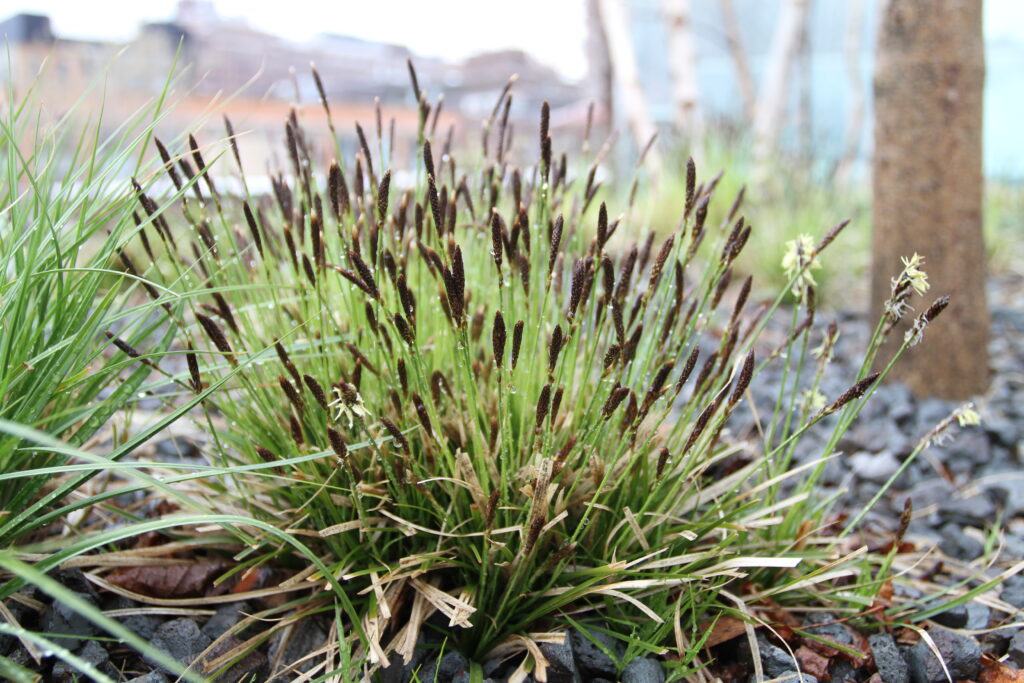
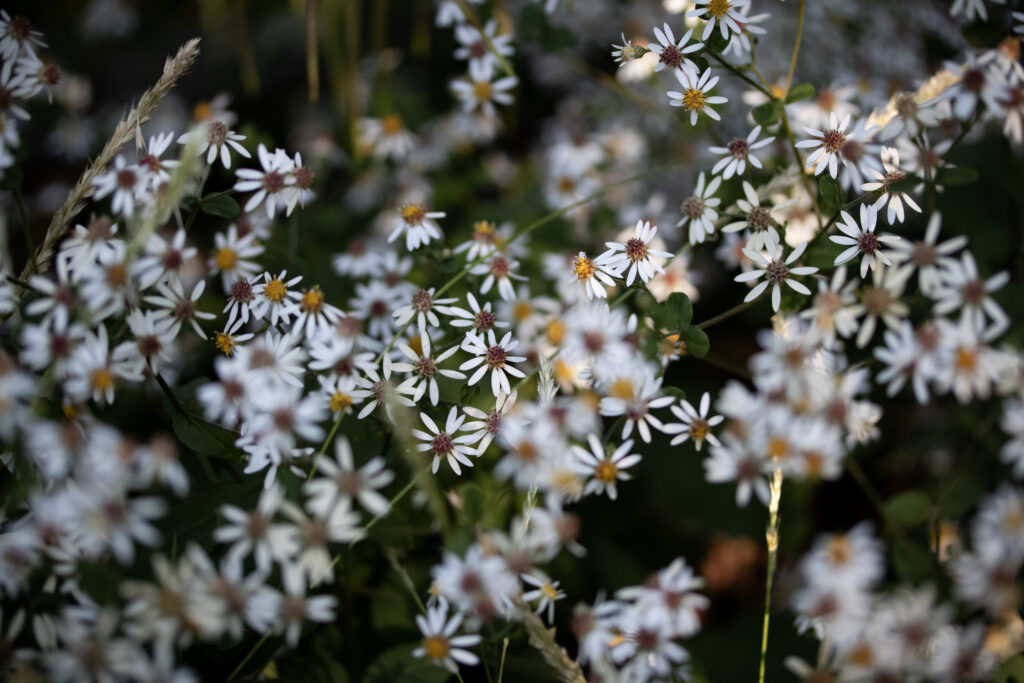
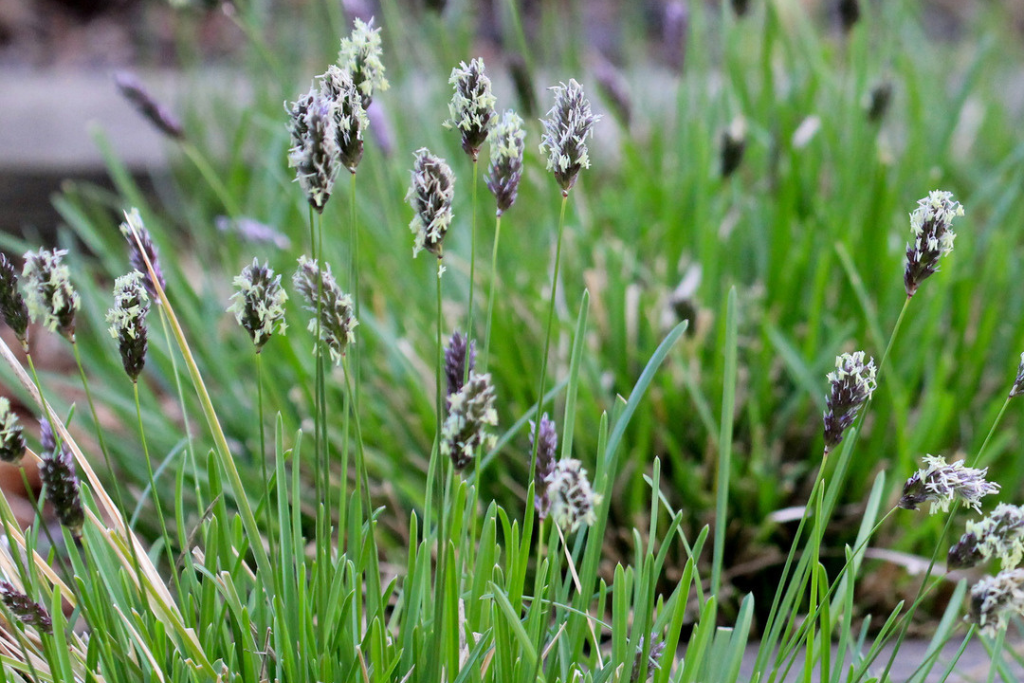
Pennsylvania sedge is a short, fine-textured sedge that can be found on the High Line at Gansevoort Street, 16th Street, and 23rd Street. White wood aster is a wonderful addition to a part-shade garden and can be found on the High Line at 18th Street. Autumn moorgrass is a High Line staple, lining the gardens between Gansevoort and 14th Streets, between 17th and 20th Streets, and at 30th Street.
- Pennsylvania sedge (Carex pensylvanica)
- White wood aster (Eurybia divaricata)
- Autumn moorgrass (Sesleria autumnalis)
Be a good neighbor to your fellow pollinators!
How can a garden be transformed into a hive of activity for pollinators? As wildlife continue to see their access to urban green spaces dwindle, parks like the High Line or home gardens designed for wildlife can serve as critical lifelines for visiting or neighboring animals.
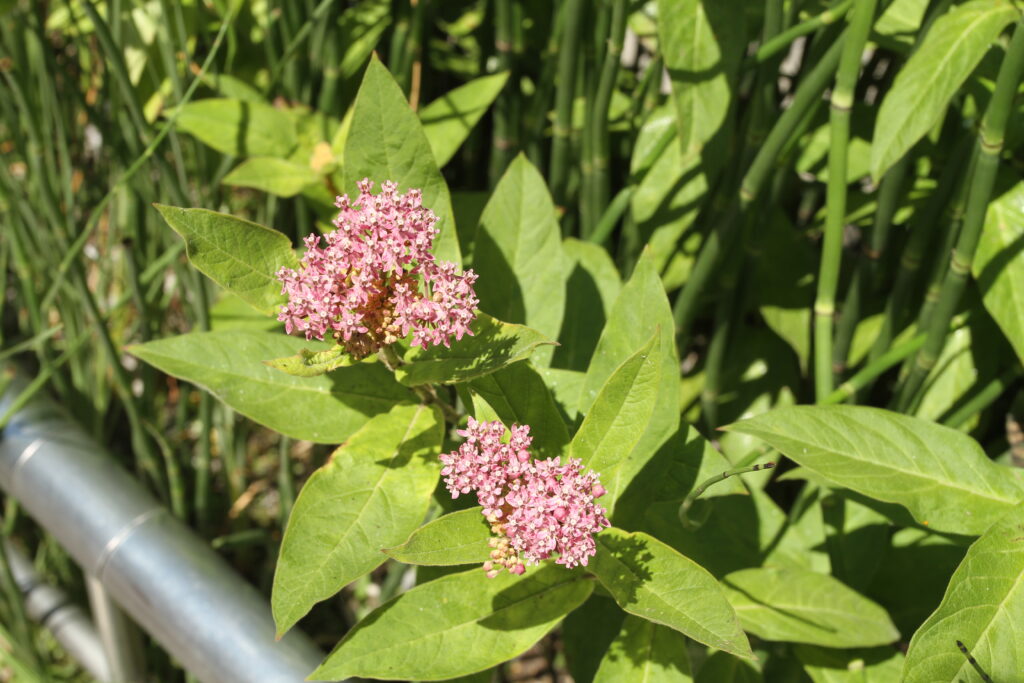
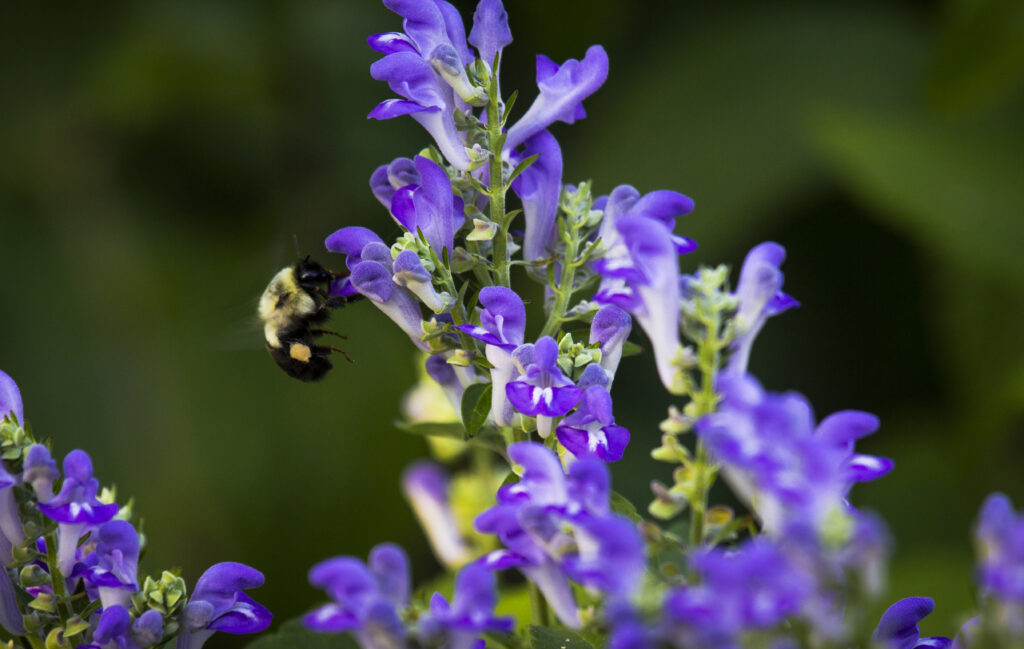
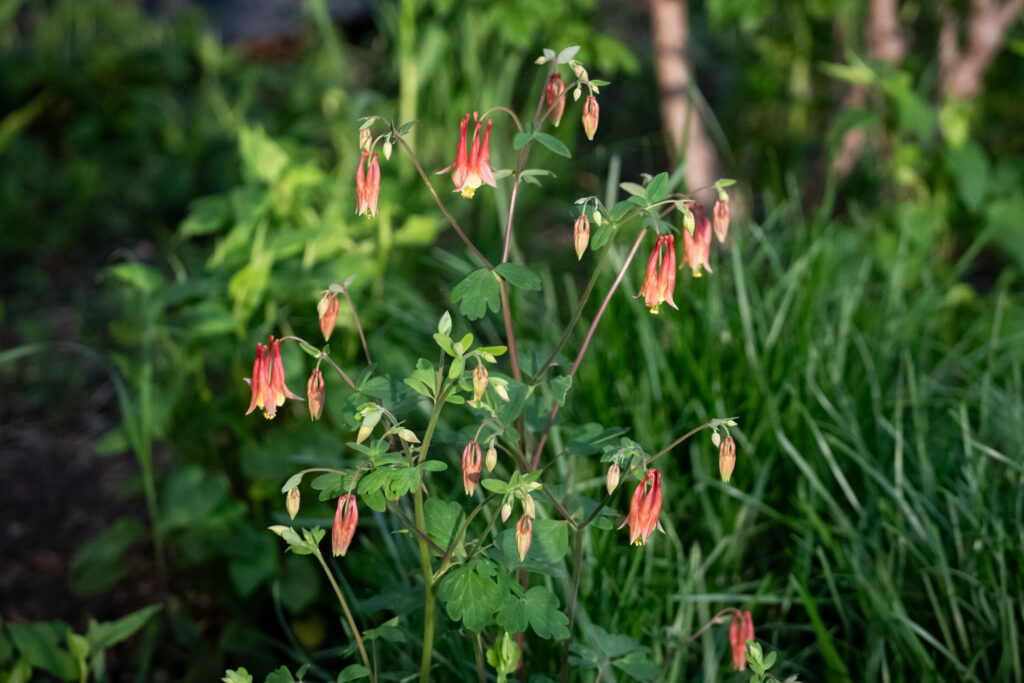
Incorporating these plants in accessible green spaces is a crucial way to provide safe nesting places and food sources for many New York City wildlife, such as birds, bats, butterflies, moths, bees, and other pollinators and beneficial insects. Plants like swamp milkweed can serve as a host for monarch butterflies and milkweed beetles, and can be found on the High Line’s Diller – von Furstenberg Sundeck between 14th and 15th Streets. Hoary skullcap is a wonderfully floriferous perennial that attracts many native pollinators, primarily native bumblebees, at 18th Street and 30th Street. A whimsical and bright display of color in the spring, Eastern red columbine is an early source of nectar for pollinators and hummingbirds, and can be found at 18th Street on the High Line.
- Swamp milkweed (Asclepias incarnata subsp. pulchra)
Hoary skullcap (Scutellaria incana)
- Eastern red columbine (Aquilegia canadensis)
Weathering chaos—one plant at a time
Looking to nurture a garden that thrives even in the throes of climate chaos? Built for resilience, these High Line plants—many of which hail from prairie environments—love the sun and require little water once established.
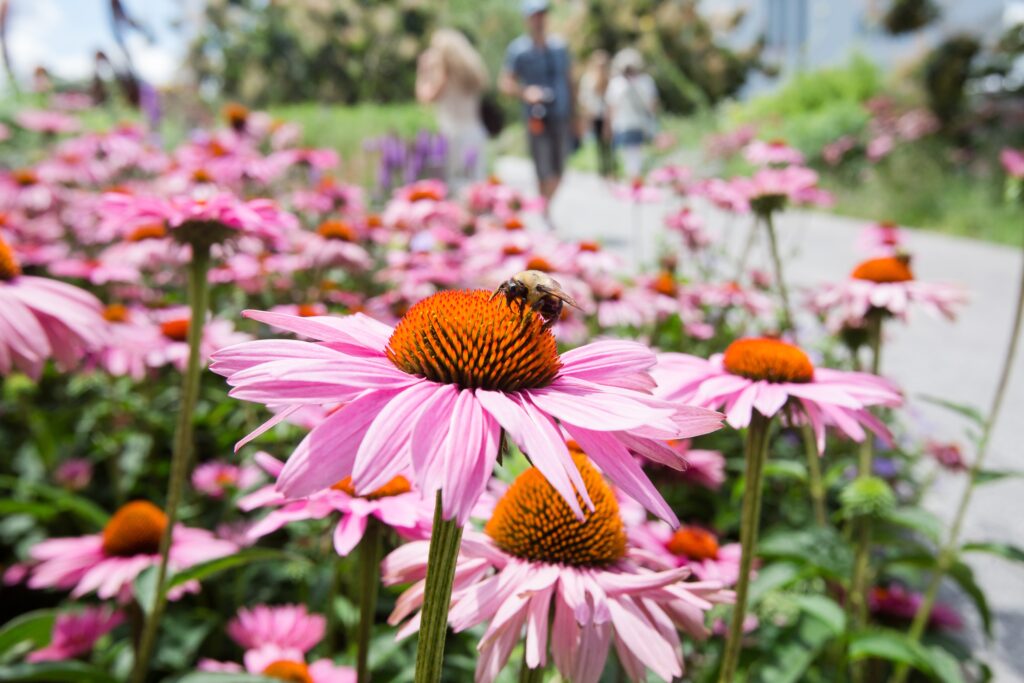
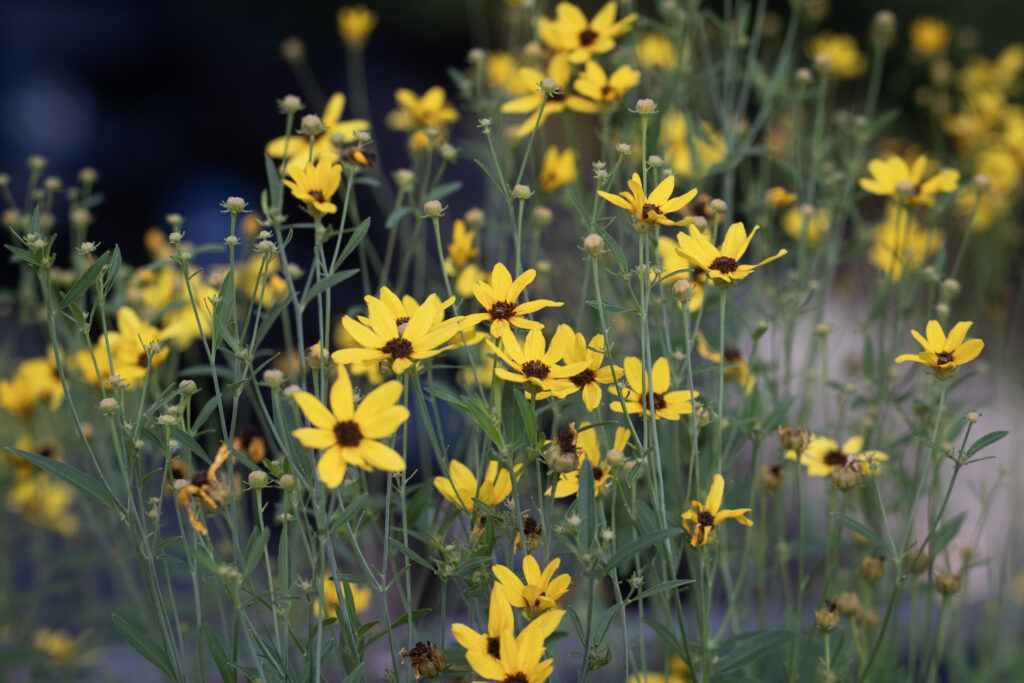
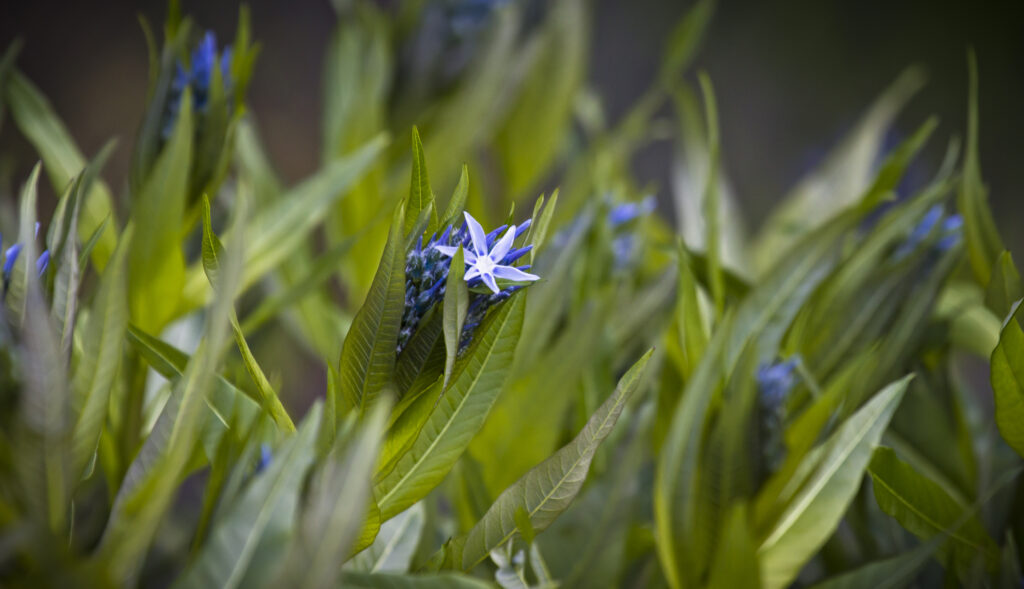
This selection of plants is remarkably versatile, flourishing in poor soil and fluctuating moisture levels. They are the perfect addition to low-maintenance urban gardens or decorative containers. Many drought-tolerant plants also produce nectar-rich flowers that attract bees, butterflies, and birds—a double win for the ecosystem! See our purple coneflowers throughout at Little West 12th, 16th, and 28th Streets. Tall tickseed can be found between 28th and 30th Streets, and our Willow-leaf bluestar is nestled towards the southern end of the park at Little West 12th Street.
- Purple coneflower (Echinacea purpurea)
- Tall tickseed (Coreopsis tripteris)
- Willow-leaf bluestar (Amsonia tabernaemontana var. salicifolia)
The plantings before the storm
While we can’t fully anticipate how and when flash flooding can impact the gardens, we can mitigate the detrimental impacts to our ecosystem by planting species that maximize rainwater capture.
The High Line’s wetland beds showcase flood-reducing plants, resilient species that thrive in both standard garden soil and periodic submersion. Not only do rain gardens allow 30% more water to soak into the ground, but they can also remove 80–90% of pollutants from rainwater runoff.
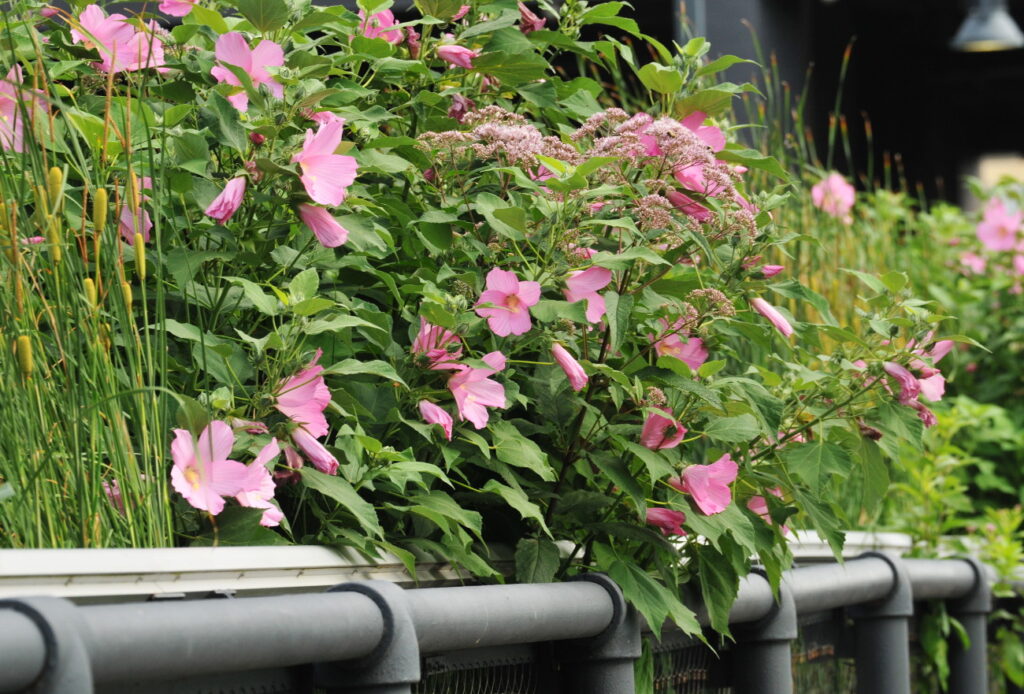
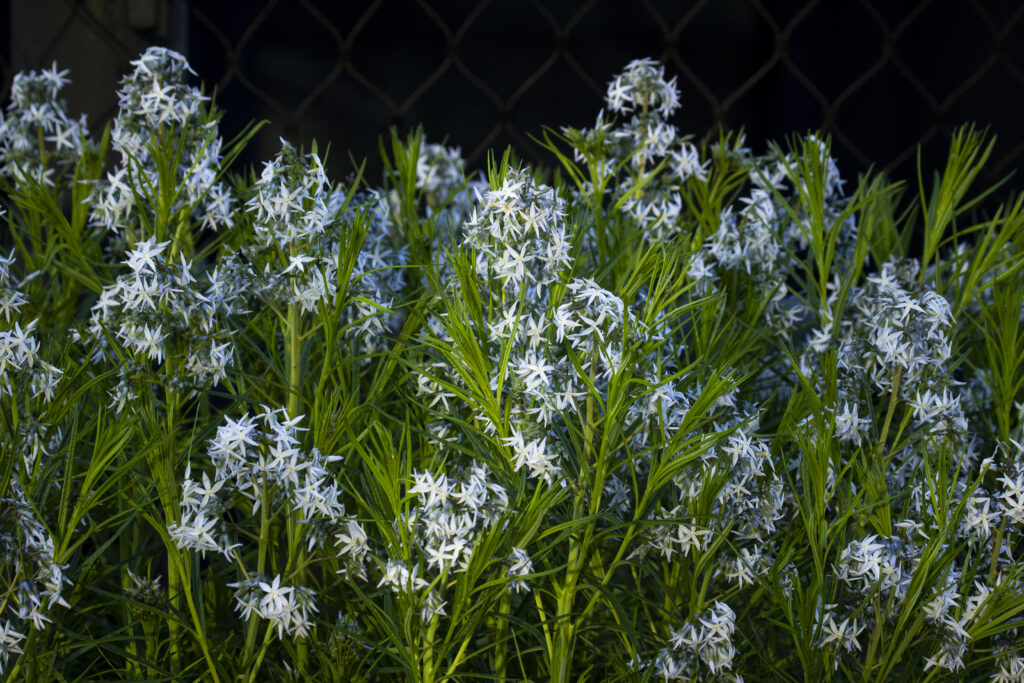
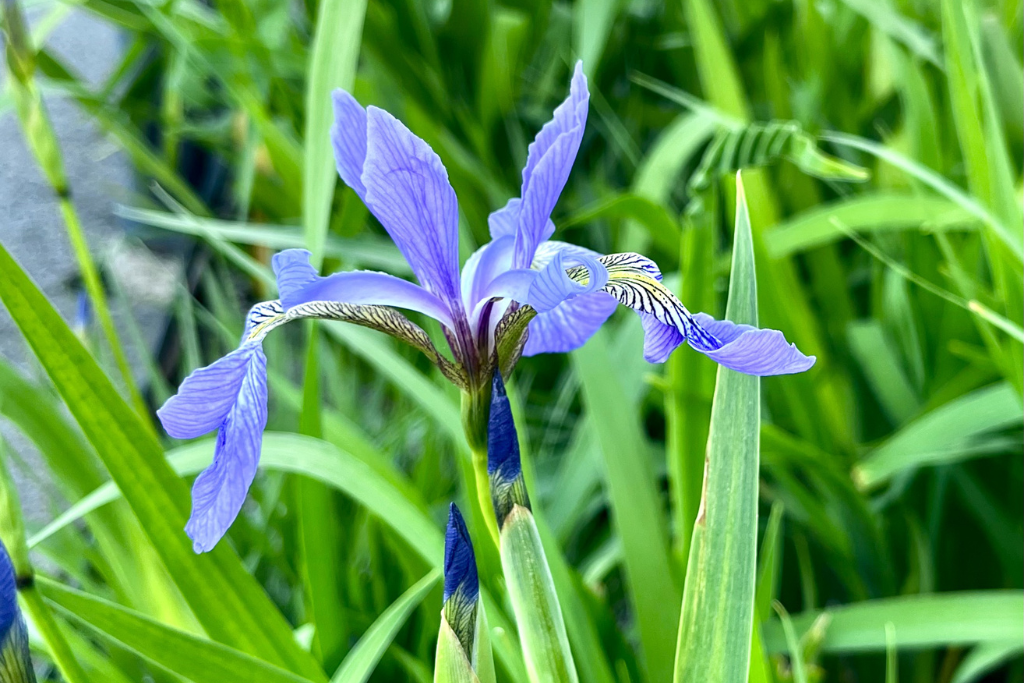
This selection of plants is suited for gardens in flood zones or low-lying areas. Swamp rose mallow thrives along the Diller – von Furstenberg Sundeck and Water Feature on the park between 15th and 16th Streets. Thread-leaf bluestar can be found in abundance along the park’s Washington Grasslands at 13th Street. Northern blue flag delights between 14th and 15th Streets.
- Swamp rose mallow (Hibiscus moscheutos)
- Thread-leaf bluestar (Amsonia hubrichtii)
- Northern blue flag (Iris versicolor)
High Line members at the Spike level and above receive 10% off! Join today to use your discount during our Rooted in Resilience: High Line Plant Sale and Talks. All proceeds from the Friends of the High Line plant sale will go towards maintaining and operating the High Line. Can’t make it to the plant sale but want to ensure the High Line’s gardens continue to remain healthy and vibrant in all seasons? Consider becoming a High Line member →
Photography: Ayinde Listhrop, Mabel Turner, Friends of the High Line.