Due to heavy rain in the forecast, tonight’s High Line Tour: From Freight to Flowers has been canceled. We look forward to seeing you on a future tour!

Skip to content
Express to
your inbox

Sign up for the High Line newsletter for the latest updates, stories, events & more.

Loading...
Please enter a valid email address!
Thanks for signing up, we'll be in touch soon!
Photo by Liz Ligon Photo by Liz Ligon

Plants Grown
on the
Wild Side

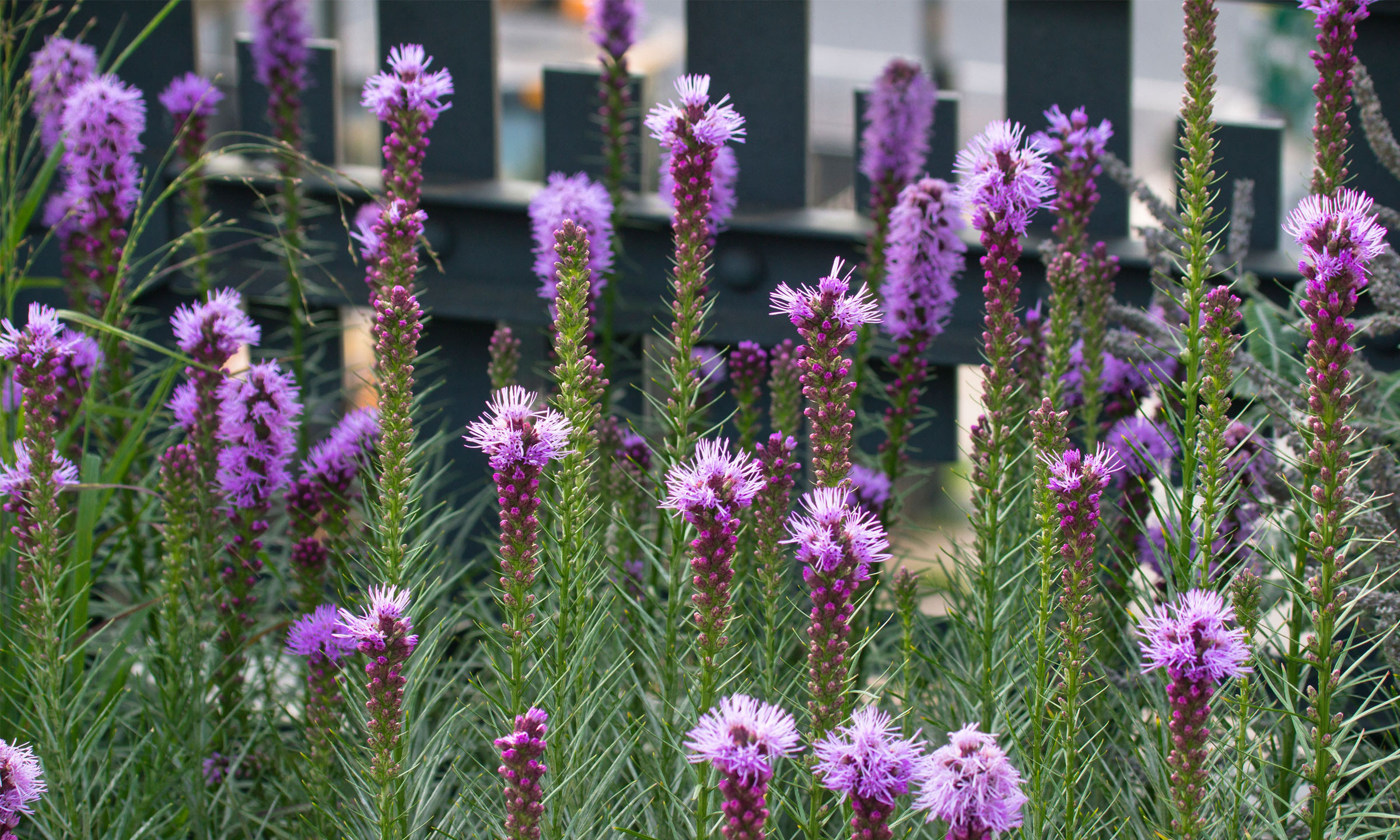
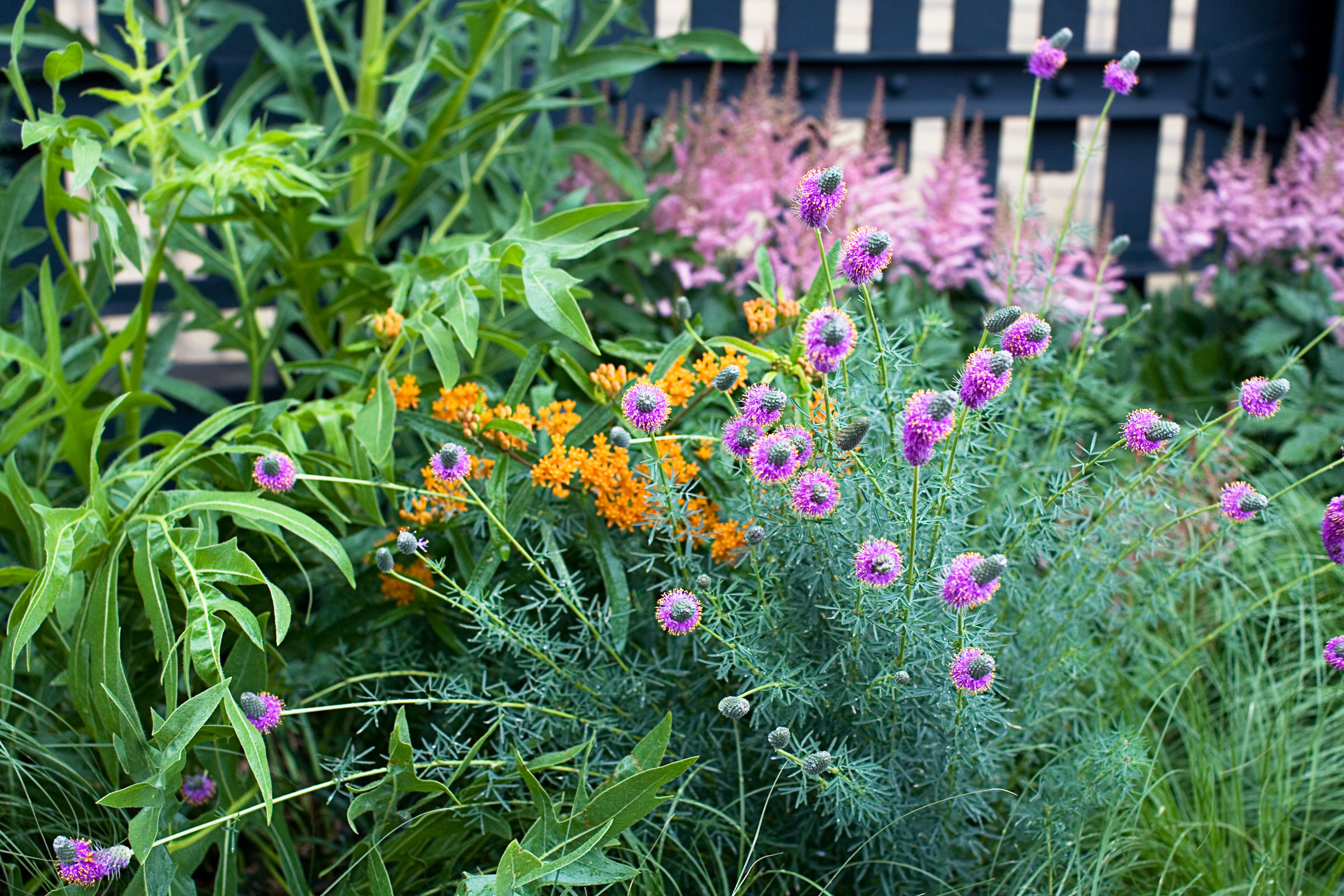
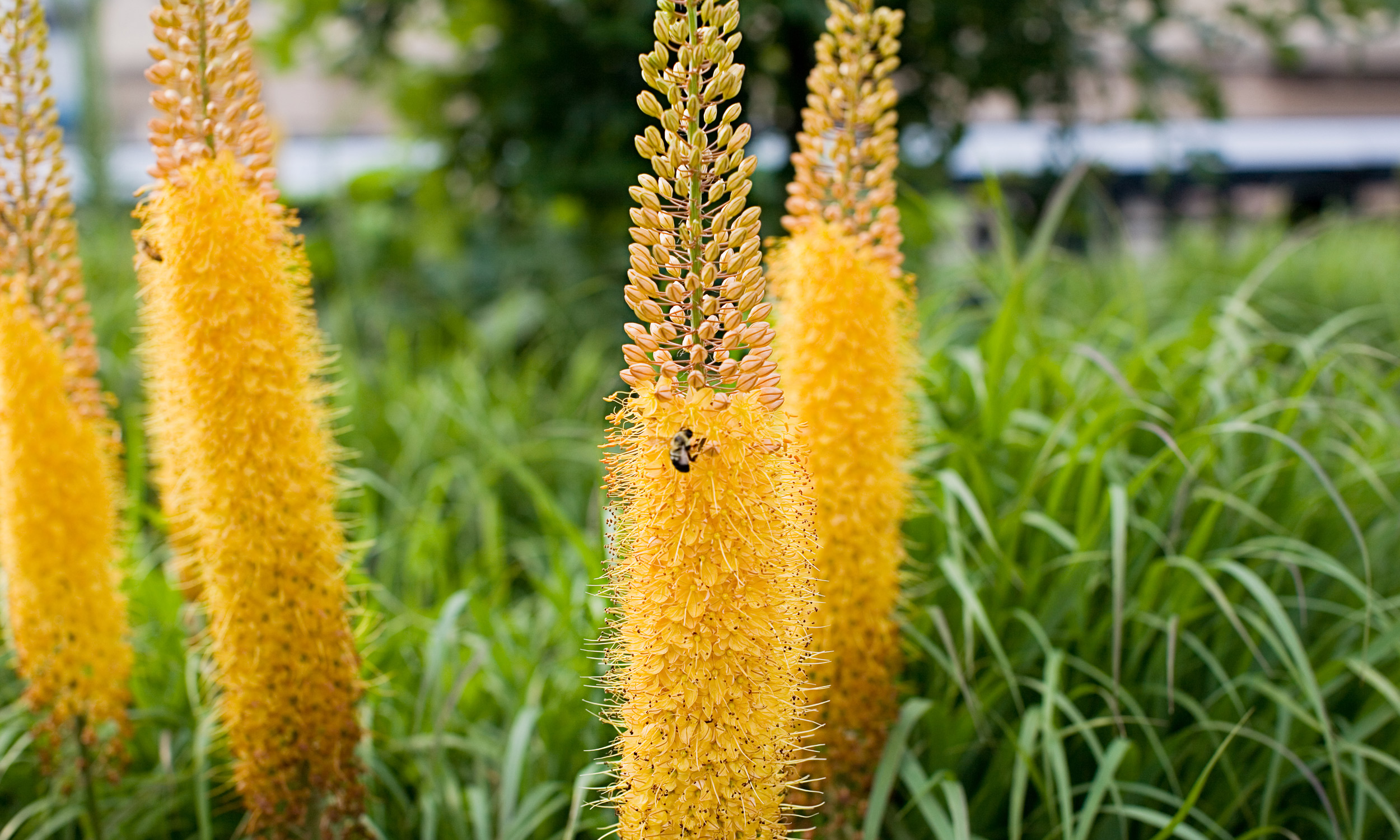
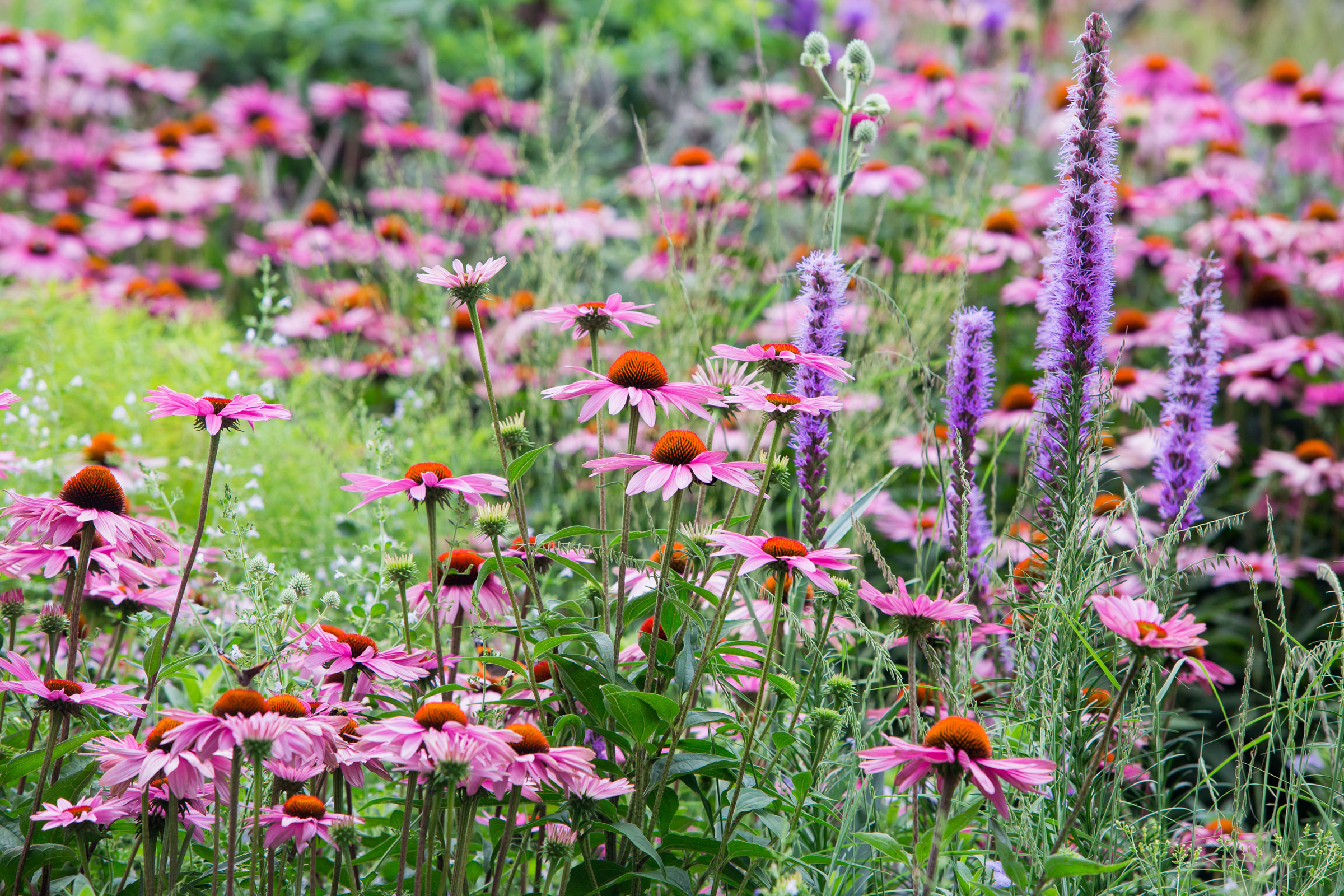
The High Line’s planting design is inspired by the self-seeded landscape that grew wild for 25 years after the trains stopped running. Wandering through our gardens, you’ll find perennials, grasses, shrubs, and trees that were chosen for their hardiness, sustainability, and ever-changing textures and colors in all four seasons.

Download the plant list →

See Seasonal Standouts →


The High Line’s planting design is inspired by the self-seeded landscape that grew wild for 25 years after the trains stopped running. Wandering through our gardens, you’ll find perennials, grasses, shrubs, and trees that were chosen for their hardiness, sustainability, and ever-changing textures and colors in all four seasons.

Download the plant list →

See Seasonal Standouts →


Download our Nature in the City Guide

Enter your email to receive a digital copy of our Nature in the City guide to learn more about the complex—and beautiful—ways our park, naturalistic gardens, and sustainable practices support nature in the city


We’ll add you to our list to receive the latest High Line news. If it’s not the right fit for you, you may unsubscribe at any time. Already a High Line email subscriber? Enter your email for access. By providing your information to FHL you agree to the terms of our privacy policy.
 

Design of the Gardens

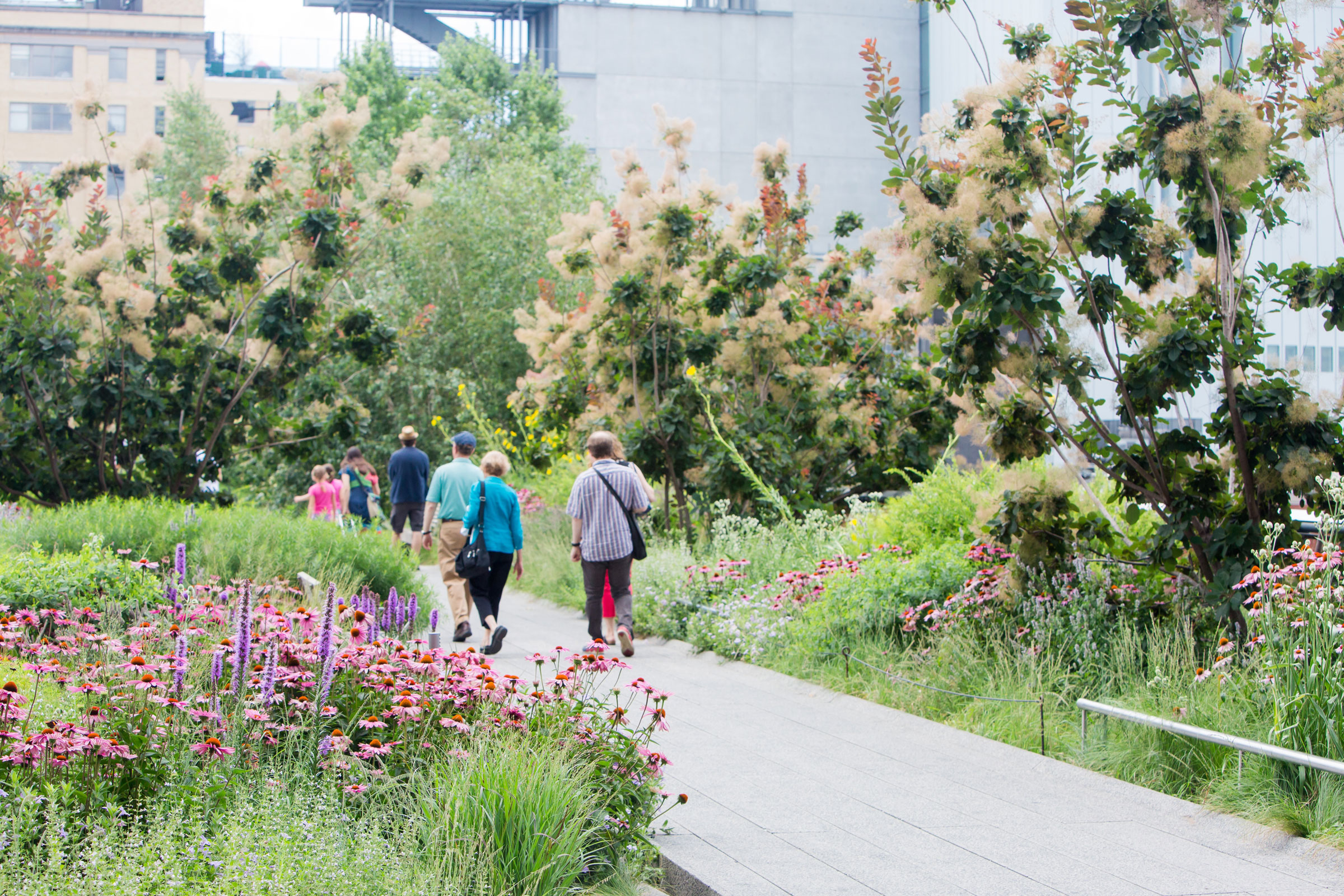
The High Line’s aesthetic reflects natural cycles of life and death, and evokes feelings of being in a wild space. According to Piet Oudolf, who designed our gardens, “My biggest inspiration is nature. I do not want to copy it, but to recreate the emotion.” 

These landscapes don’t just happen on their own. While many natural processes take place in the park, the gardens have also been carefully designed and continuously cared for. Shaping the landscape design requires a good eye and an understanding of how the plantings will evolve over time. Changes in the gardens are guided by a team of gardeners who have collaborated with Oudolf for years.

We create different moods and compositions throughout the seasons. Hundreds of plant species evoke the patterns of woodlands and grasslands. Birds and insects thread through and animate the plantings. The mood of each garden changes through the year, conveying the ever-changing wonder and mystery of wild places.

Learn about the incredible work of Dutch planting designer Piet Oudolf, who translated the magic of the self-seeded landscape of the derelict railway into what you see today →

Garden Zones

Walk just a few blocks along the High Line and you’ll pass through several, incredibly different gardens.


Garden Zones

Donald Pels and Wendy Keys Gansevoort Woodland

The southern end of the park is shaded by gray birch and serviceberry trees.

Washington Grasslands & Woodland Edge

This section is full of grasses, perennials, and woody species that tolerate the shade of the surrounding buildings.

Diller – von Furstenberg Sundeck & Water Feature

Wetland gardens flourish near the water feature, a visitor favorite.

Sustainable Practices

We are committed to environmental sustainability in all of our gardening operations and maintenance, including Integrated Pest Management, composting on-site, and pollinator-friendly practices.

Learn more about sustainability

Spring Cutback

Many gardens cut back their plants in fall. At the High Line, we leave our displays of dried leaves, stalks, and seedheads standing through the winter, providing both beauty for visitors and habitat for birds and other animals. To make room for new spring growth, hundreds of volunteers join our gardeners every March to complete the massive task of cutting back our plants by hand, to be composted and returned to the soil.

Learn more about Spring Cutback and how to volunteer


'' Seasonal change occurs in a near-infinite succession of small moments, and learning to see and understand these little happenings is a worthy lifetime pursuit.'

— Rick Darke and Piet Oudolf, Gardens of the High Line: Elevating the Nature of Modern Landscapes

The gardens don't grow themselves

Be part of the deep care and effort that goes into keeping the High Line wild—and free for everyone.

Give now
On our blog
Gardens

Winter birdwatching along our park in the sky

Winter birdwatching along our park in the sky
New York City’s overwintering birds find refuge and reprieve amongst the High Line’s grasses, trees, and shrubs.
Learn more
Gardens

Lessons from 15 years in the High Line’s gardens

Lessons from 15 years in the High Line’s gardens
Our horticulture team shares what they’ve learned since the park opened 15 years ago.
Learn more

Support

Lead support for Horticulture on the High Line is provided by Amanda M. Burden.

Major support of High Line Horticulture digital infrastructure is provided by Bloomberg Philanthropies.

Program support for Horticulture is provided by CBRE, Con Edison, Farvue Foundation, Greenacre Foundation, Christine Knuth, Catie Marron, and Prakash and Anjali Melwani.

Additional support is provided by the Stanley Smith Horticultural Trust, Dana Niblack and Paul Thompson, and in memory of Danny Shih.

Bloomberg logo