Due to heavy rain in the forecast, tonight’s High Line Tour: From Freight to Flowers has been canceled. We look forward to seeing you on a future tour!

Skip to content
Express to
your inbox

Sign up for the High Line newsletter for the latest updates, stories, events & more.
Loading...
Please enter a valid email address!
Thanks for signing up, we'll be in touch soon!
Photo by Rowa Lee Photo by Rowa Lee

Spring Cutback

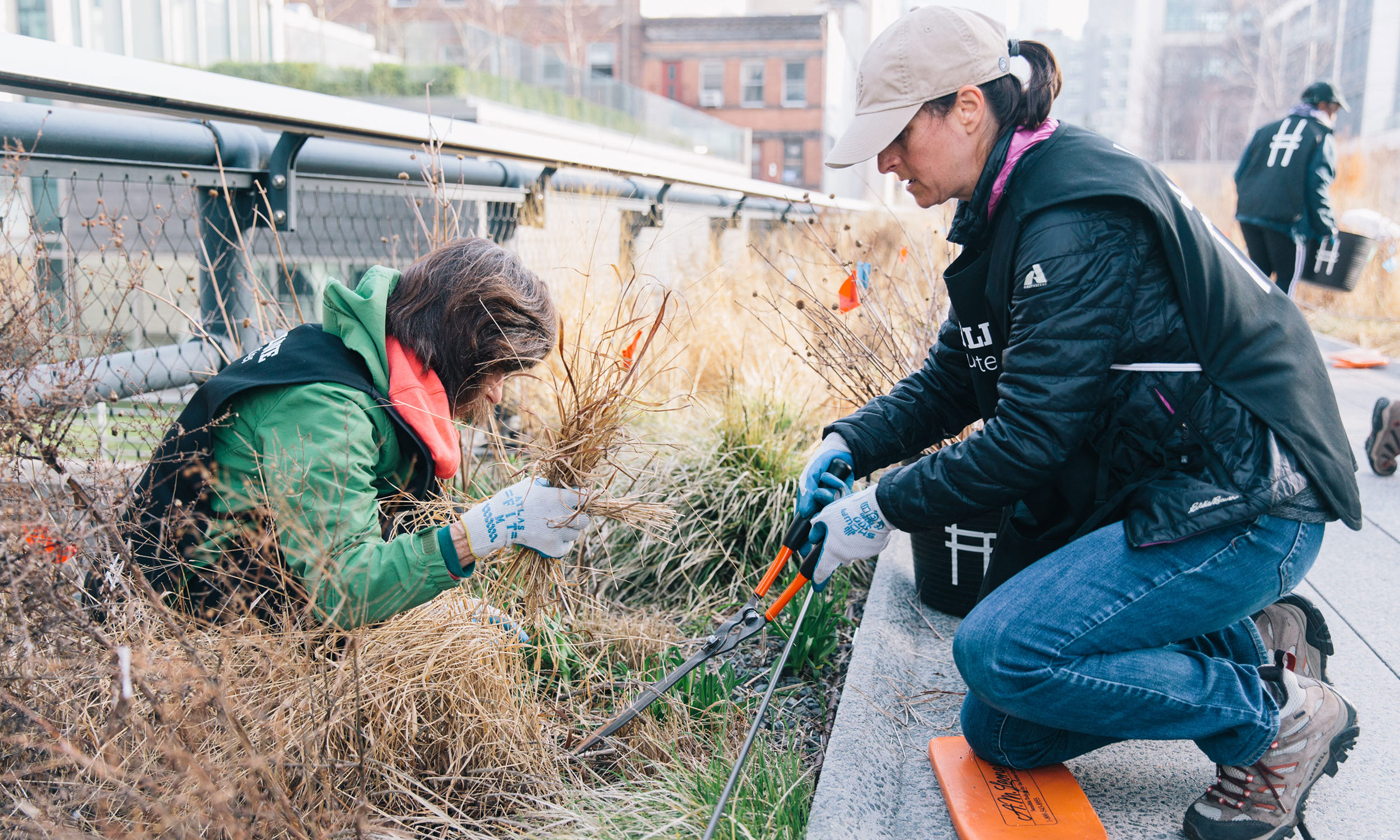
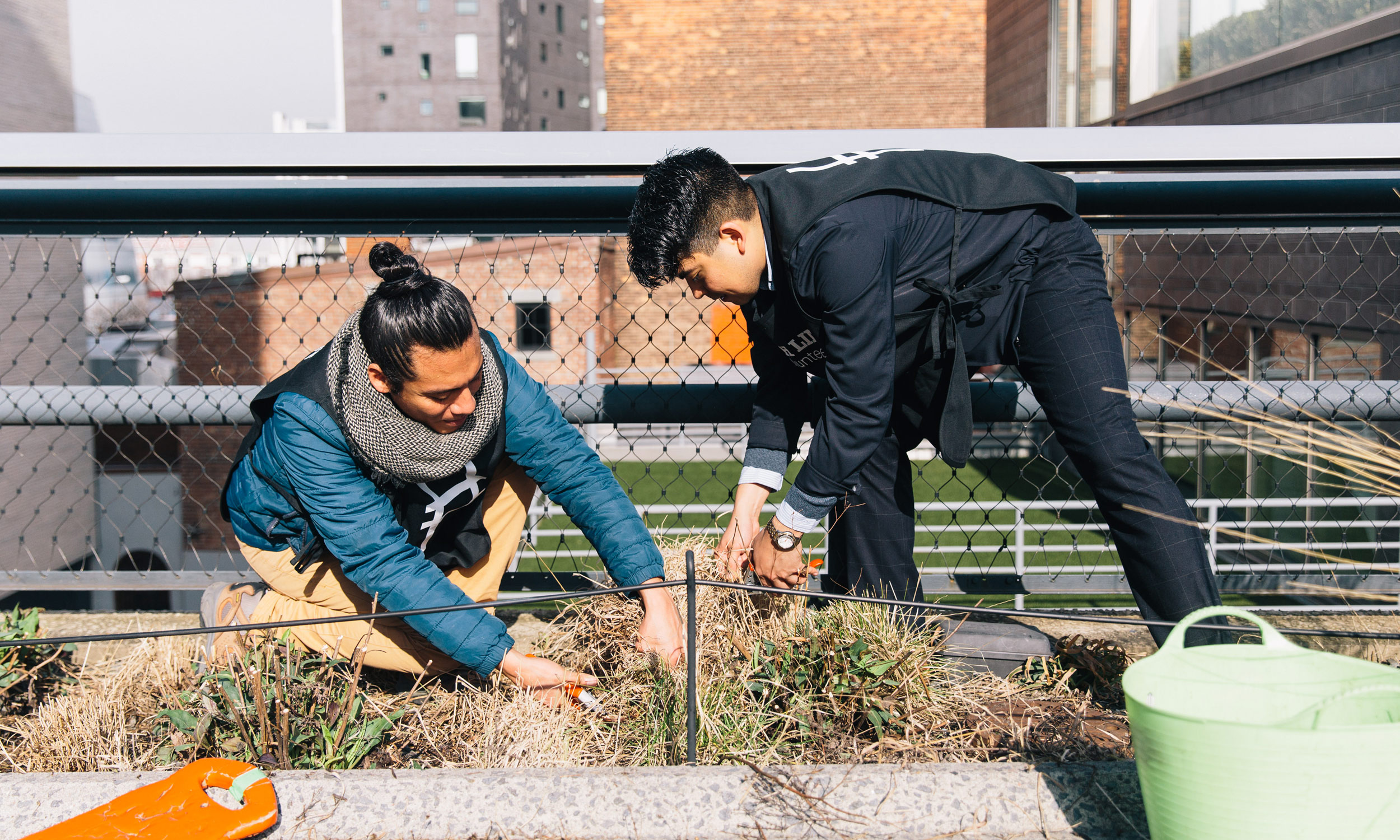
Spring Cutback is one of our most important team-building exercises, strengthening the relationship between us, our supporters, and our gardens. At the High Line, we leave our displays of dried leaves, stalks, and seedheads standing through the winter, providing beautiful visual interest as well as habitat for birds and other animals.

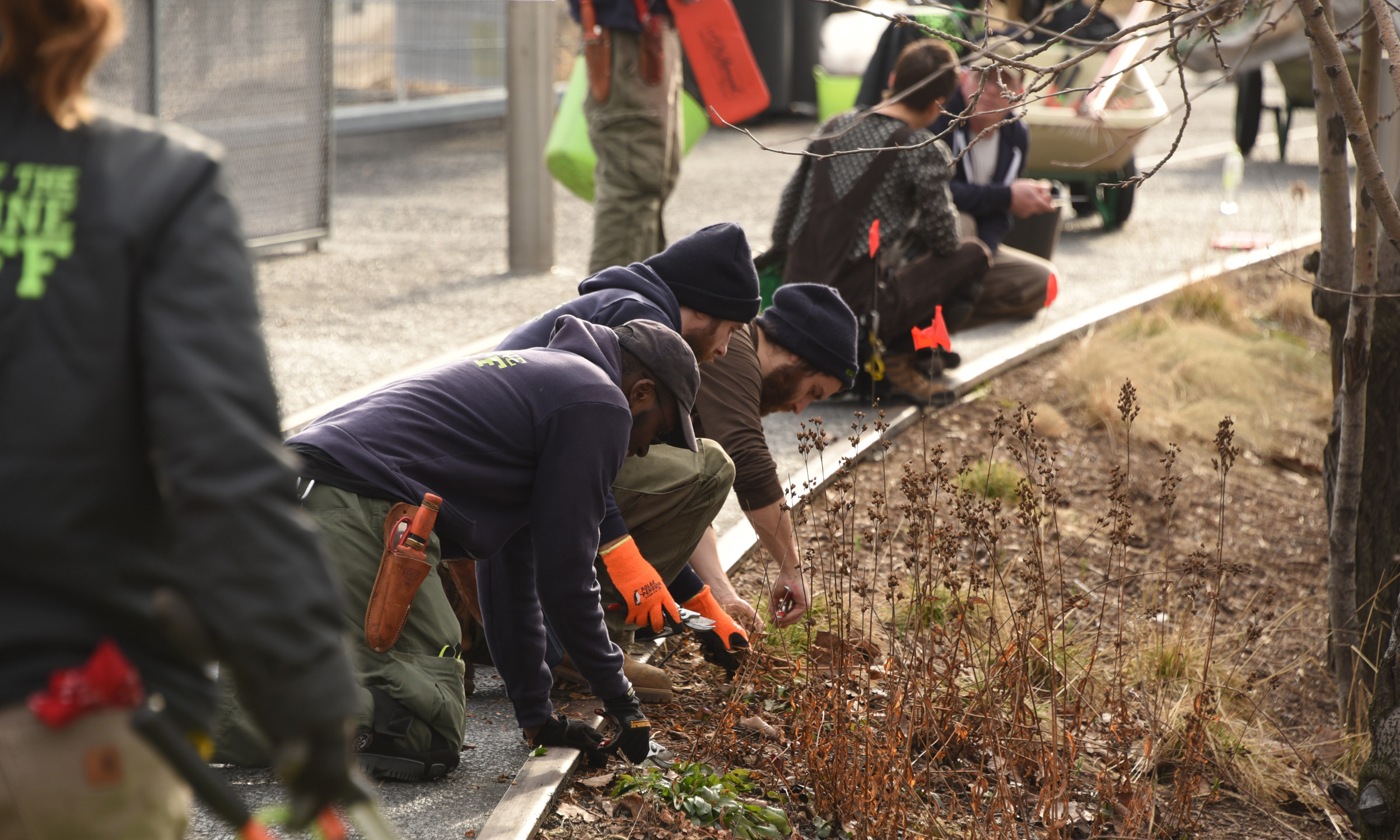
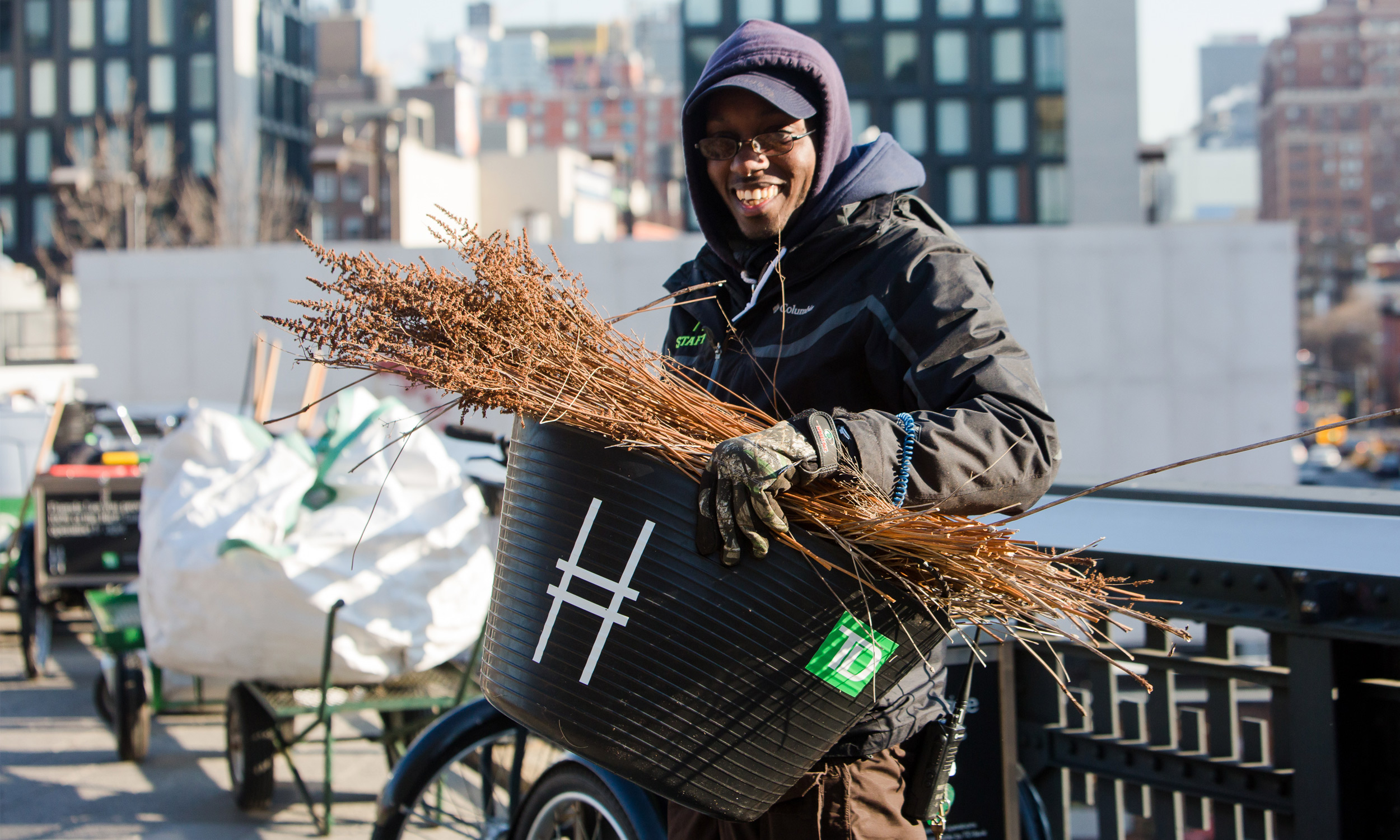
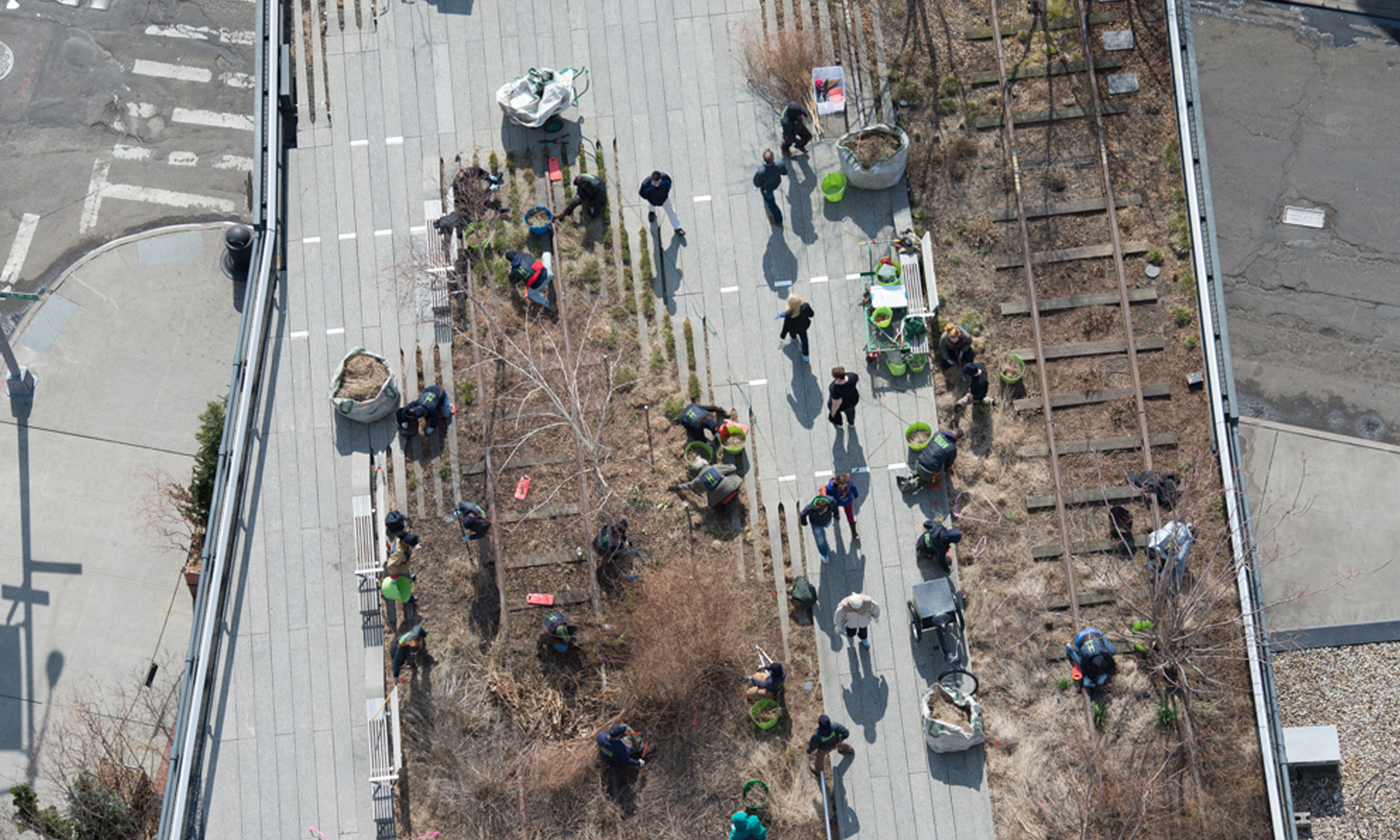
To make room for new spring growth, every March our horticulture team completes the massive task of cutting back our plants by hand, to be composted and returned to the soil.

Spring Cutback is one of our most important team-building exercises, strengthening the relationship between us, our supporters, and our gardens. At the High Line, we leave our displays of dried leaves, stalks, and seedheads standing through the winter, providing beautiful visual interest as well as habitat for birds and other animals.

To make room for new spring growth, every March our horticulture team completes the massive task of cutting back our plants by hand, to be composted and returned to the soil.

Learn more about Spring Cutback from Yuki Kaneko, the High Line’s senior manager of horticulture:


View this post on Instagram


A post shared by The High Line (@highlinenyc)

See photos from our most recent Spring Cutback:

Composting & Debris

We’re proud to be composting 100% of our plant material—which allows us to generate healthy food for our plants and soil organisms.

Recycling plant debris into our plant beds as mulch and compost enables last year’s growth to ensure the healthy soil our gardens need for the upcoming year. This process mimics the natural decomposition of plant life—and subsequent nutrient uptake by new plants—that would take place in a wild landscape.

During this busy Spring Cutback season, you may notice that we’re leaving some plants and leaf litter in-place. We made this change because more than 20 species of wild bees make their homes on the High Line—and some species are so tiny that they spend winter inside plant stems no wider than coffee stirrers! Spiders, ladybugs, lacewings, and others live here, too, and help our gardens by eating harmful pests. By keeping dead plant material around, we’re protecting the homes of these precious pollinators and pest-eaters.

Volunteer

 If you’re interested in learning about future volunteer opportunities, please fill out the below form.


Volunteers join an enthusiastic and dedicated team, work side-by-side with High Line gardeners to shear back grasses and perennials using pruners and scissors, rake and process clippings, and help us prepare for a lush, beautiful growing season.

To stay in the loop on our Spring Cutback efforts, follow us on Facebook, X, and Instagram at @highlinenyc.


Make a donation

Be part of the deep care and effort that goes into keeping the High Line wild—and open for everyone. Give today to help keep our gardens thriving all year long.

Give now

Support

Lead Program support for Horticulture on the High Line is provided by Amanda M. Burden. Program support is also provided by Con Edison, the Greenacre Foundation, and the Stanley Smith Horticultural Trust, with additional funding from The Kristina & William Catto Foundation.

High Line Accessibility is supported, in part, with public funds from the New York City Council, under the leadership of Speaker Adrienne Adams, with special thanks to New York City Council Member Erik Bottcher.

The Volunteer Program is also supported, in part, by public funds from the New York City Council.